Seamless Asian Patterns Background
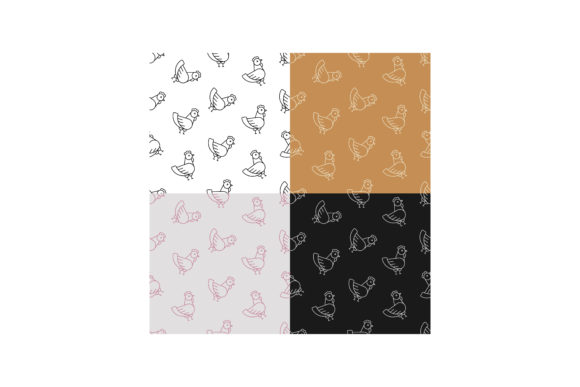
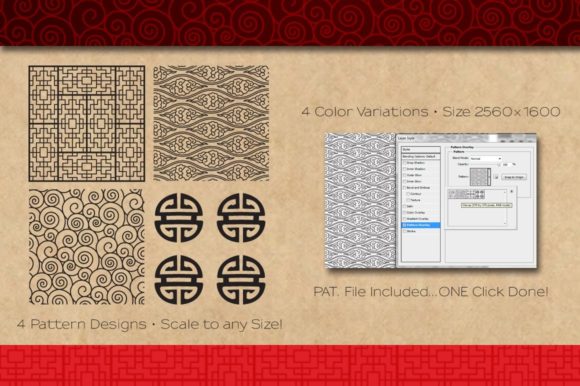
Seamless Asian patterns backgrounds offer a unique blend of cultural aesthetics and modern design versatility. These patterns are ideal for creators, designers, and marketers looking to add an authentic touch to their projects without the hassle of complex design work. With four distinct pattern designs and four color variations, this background is adaptable to a wide range of creative needs.
The seamless nature of these patterns ensures they can be scaled to any size without losing quality. Whether you're designing a website, crafting a blog post, or creating social media content, these backgrounds provide a cohesive and professional look. Their 2560×1600 resolution makes them suitable for high-definition displays and print materials alike.
Why Seamless Asian Patterns Matter
Asian patterns have long been admired for their intricate details and symbolic meanings. From traditional motifs like cherry blossoms and dragons to more abstract interpretations, these designs carry cultural significance that can enhance visual storytelling. A seamless background allows these elements to be repeated without visible seams, creating a continuous and immersive visual experience.
For designers, this means less time spent on repetitive tasks and more time focused on creativity. The ability to scale the background to any size ensures consistency across different platforms, from mobile apps to large banners. This flexibility is especially valuable in today’s multi-device world where content must adapt to various screen sizes.
Creative Applications for Different Audiences
Entrepreneurs and small business owners can use these backgrounds to create visually appealing marketing materials. A flyer with a subtle Asian pattern can draw attention while maintaining professionalism. Similarly, a Twitter background featuring one of the four designs can help brand a profile and make it more memorable.
Bloggers and content creators can incorporate these backgrounds into their websites to reflect a specific theme or mood. For example, a travel blog focusing on Asia might use a background with traditional motifs to reinforce its identity. A food blog could use a more modern interpretation to appeal to a younger audience.
Freelancers and graphic designers can use these backgrounds as a starting point for client projects. By selecting the right color variation and pattern, they can quickly create a custom look that meets the client’s vision. This saves time and ensures a consistent aesthetic across all deliverables.
Practical Tips for Using Seamless Asian Patterns
To get the most out of these backgrounds, consider the following tips:
- Choose the right color variation: Match the background to your brand colors or the overall tone of your project. Darker tones may work well for formal or luxury brands, while brighter hues can add energy to more casual designs.
- Balance with other elements: Avoid overwhelming the design by pairing the background with simple text or images. The pattern should complement, not compete with, other visual elements.
- Test on different devices: Ensure the background looks good on both desktop and mobile screens. Some patterns may appear too busy on smaller screens, so adjust accordingly.
- Use layering techniques: Add depth by overlaying the background with translucent shapes or textures. This can create a more dynamic and engaging visual effect.
Exploring Different Styles and Interpretations
The four pattern designs offer a range of styles to suit different creative goals. One design may feature delicate floral motifs, while another could include bold geometric shapes inspired by traditional textiles. Each design has its own personality and can be used to evoke different emotions or messages.
For example, a pattern with flowing lines and soft curves might be ideal for a wellness or lifestyle brand, while a more structured design could work well for tech or finance-related projects. Experimenting with different color variations can also lead to new and unexpected results.
Designers can also combine multiple patterns to create a unique look. By layering two or more backgrounds, they can add complexity and interest to their designs. However, it's important to maintain balance and avoid clutter.
Adapting for Different Platforms and Formats
These backgrounds are not limited to digital use. They can be printed on flyers, posters, and other physical materials. When preparing for print, ensure the resolution is high enough to maintain quality at the desired size. A 2560×1600 background should work well for most standard print sizes.
For social media, consider how the background will appear on different platforms. Instagram and Facebook may require different aspect ratios, so adjust the design accordingly. Twitter backgrounds, for instance, should be optimized for a 1500×500 pixel size to fit the profile picture area.
Web designers can use these backgrounds as site headers, section dividers, or full-page backdrops. They can also be used in combination with other design elements such as buttons, icons, and navigation bars to create a cohesive user experience.
Maximizing Impact Through Originality
While these backgrounds provide a solid foundation, originality comes from how they are used. Instead of simply applying the pattern as-is, think about how it can be customized to reflect a unique vision. Adding subtle text, illustrations, or interactive elements can transform a basic background into a compelling piece of design.
Consider the target audience when making design choices. A background that works well for a children's book may not be appropriate for a corporate presentation. Understanding the preferences and expectations of the audience helps ensure the final design resonates effectively.
Finally, don't be afraid to experiment. Try different layouts, color combinations, and placement strategies to find what works best. The goal is to create a design that is both visually appealing and functionally effective.